

There are two winter jobs and they are not the same thing. One is getting a caravan ready to sit unused from November to March without splitting a pipe or growing mould in a wardrobe. The other is getting it ready to be lived in while it is cold outside. Most guides blur the two.
This one is mostly the first job, because that is the one that costs money when it goes wrong. There is a section near the end for using the van through the winter instead.
None of it needs a workshop. Set aside a dry afternoon and work down the list in order.
The short version
If you read nothing else: get every drop of water out, leave the van ventilated rather than sealed, take the soft furnishings home, and go and look at it once a month. Those four things prevent most of what goes wrong.
1. Drain the water system down completely
Water expands when it freezes, which is enough to split a pipe or crack a fitting. The Camping and Caravanning Club calls draining down the best form of protection from frost damage, and it is the one job on this list with no shortcut.
- Open every tap, and set mixer taps to the middle so hot and cold both drain
- Remove the shower head and let the hose drain out
- Open all drain valves and remove any drainage plugs, including those on external heaters or tanks
- Run the onboard pump briefly to clear what the taps leave behind, then switch it off
- Drain and dry portable water containers, and leave the lids off
- Empty and rinse the toilet cassette, then leave the blade open
Leave the taps open all winter. A closed tap traps the water you thought you had removed.
2. Take the battery out
A leisure battery left connected will flatten over the winter, and a flat lead-acid battery freezes at a far higher temperature than a charged one. A frozen battery is a dead battery.
- Best option: take it out, store it somewhere dry and above freezing, and put it on a charger every four to six weeks
- If it stays in the van, isolate it from all 12V equipment or unplug it completely
- If the van is on a pitch with a 230V hookup, leave it on a smart charger and run the heating occasionally
3. Tyres, and getting the weight off them
A caravan that sits in one spot for five months develops flat spots and sidewall cracking, and neither shows up until you are towing.
- Inflate to the pressure on the plate rather than the pressure you tow at loaded
- Move the van a few feet every couple of months, or use winter wheels or axle stands to take the load off
- Check the four-digit date code on the sidewall while you are down there. Tyres over five years old are worth replacing whatever the tread looks like
4. Ventilate it, do not seal it
The most common winter mistake is closing everything up to keep the cold out. Damp does more damage to a stored caravan than frost does, and it is entirely preventable. The Camping and Caravanning Club warns that mould thrives in dark, undisturbed, damp places, which describes a sealed caravan in January precisely.
- Leave roof and floor vents clear and open. They are there for a reason
- Prop every locker, wardrobe and cupboard door open
- Stand seat cushions on their edges so air moves underneath them
- Put two or three moisture traps inside, and empty them when you visit
- Leave the fridge door propped open
5. Take the soft furnishings home
Anything absorbent is a mould farm in a cold van.
- Bedding, duvets, pillows, towels, curtains and loose covers
- Anything with food in it, including the tin at the back of the cupboard
- Books, paper, and anything in a fabric cover
If cushions have to stay, stand them on edge and away from the walls.
6. Seals, locks and hinges
- Check window and door rubbers for splits and perishing. Five minutes now beats water ingress in February
- Wipe seals with a silicone-based conditioner. Oil-based products degrade rubber
- Put a light lubricant into locks, hinges and the hitch
- Look over the roof, skylights and awning rail for gaps, and reseal properly with mastic rather than tape
7. Cover, or no cover
A fitted breathable caravan cover keeps off tree sap, bird mess and UV, and stops the worst of the green algae down the shaded side. It is worth the money.
A cheap non-breathable tarpaulin does the opposite. It traps moisture against the panels and chafes the paint every time the wind gets underneath it. A builders tarpaulin is worse than no cover at all.
8. Go and look at it once a month
This is the step everyone skips, and it is the one that catches problems while they are still cheap to fix. Fifteen minutes will do it.
- Empty the moisture traps, and note whether they are filling faster than last month
- Open the door and smell. Damp announces itself long before it shows
- Check the corners, the wardrobe floor and under the front window for damp patches
- Look at the tyres, and move the van a few feet if you can
- Check the cover has not worked loose
If the van is stored 50 miles from home, be honest with yourself about whether you will actually do this in January. It is the main argument for storing it somewhere you were going anyway.
If you are using the van through the winter, not storing it
Different job, and a more enjoyable one. Winter touring on a quiet site is the best thing this hobby offers, and most of it comes down to heat and moisture.
- Have the heating serviced before the cold arrives. Blown-air and wet systems both need it
- Fit a carbon monoxide alarm and test it, because gas appliances emit carbon monoxide
- Thermal curtains or blinds, draught excluders and a thick rug cut heat loss cheaply
- Wipe condensation off windows and walls each morning rather than letting it sit
- Check gas bottles and regulators for damage, and know how to shut the gas off quickly
- Keep the hookup cable inspected and unplug appliances when they are not in use
Or leave it on a pitch and skip the shrink-wrapping
If the whole point of the checklist above is that you will not see the van until March, there is another option. A winter seasonal pitch at Priory Farm runs October to February from £1,050, and that includes year-round storage. Electricity is metered separately.
The arithmetic is simple enough. Set against £24 a night for a standard electric pitch, £1,050 is roughly 44 nights. If you would use the van more than six or seven weekends between October and February, the seasonal works out cheaper, and you stop towing it back and forth.
You still drain the water down when you are not there. You just do it on a pitch you can reach, with somebody on site, rather than in a compound an hour away.
- Hardstanding pitches 8 metres by 10 metres, with a 10A electric hookup
- Toilet and shower block built in 2024, plus a laundry and a small kitchen
- Dog wash bay, and up to two dogs per pitch at no extra charge
- Adults only, 18 and over, all year round
- A two-night complimentary taster stay if you want to see the pitch before committing
Two things worth knowing before you decide. There is one shower and one toilet for men and the same for women, which is enough most of the time and tight when the site is full. And the mobile signal here is poor, with no site WiFi. It is the thing our reviews mention most often, so plan for it rather than be surprised by it.
If you would rather just tour, standard electric pitches are from £24 a night in low season. One night is fine, there is no booking fee, and cancellation is free up to 28 days before arrival.
Winter on the southern Broads
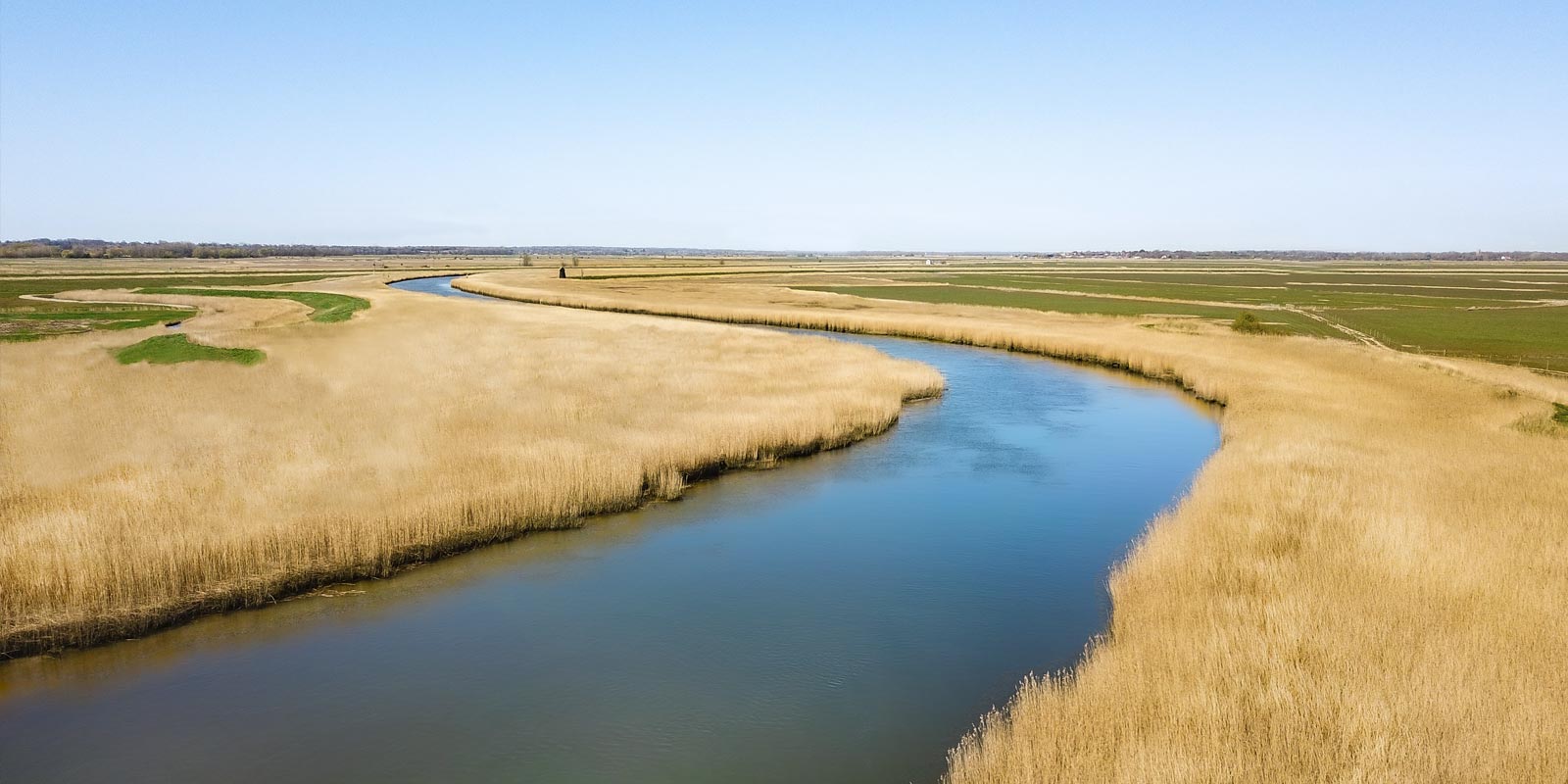
The reason to have the van somewhere useable between October and February is that this corner of Norfolk is at its best when everyone has gone home.
Grey seal pupping starts at Horsey and Winterton from the end of October and runs through to January. Volunteer wardens rope off viewing areas so you can watch the colony without disturbing it, and it is one of the few genuine wildlife spectacles in England you can walk up to.
Closer in, Breydon Water is about ten minutes away and holds waders through the winter, with pink-footed geese coming in over the marshes. You can watch it for free from the ramparts of Burgh Castle Roman fort, which is a fifteen minute walk from our gate rather than a drive.
The Angles Way runs along the Waveney past the site, and the ground is firm and the paths are empty. The Bell Inn is across the road and gives our guests 10% off. St Olaves Priory ruins are a few steps from the pitches and free all year.
The short version, again
Water out, vents open, soft furnishings home, and a look at it once a month. Everything else on this list is worth doing, but those four are the ones that stop a cheap winter becoming an expensive spring.
Priory Farm Caravan Park, St Olaves, inside the Broads National Park boundary. Adults only, 18 and over. Touring pitches from £24 a night, winter seasonal pitches from £1,050 including storage.